

Key Takeaways
- Familiar music can spark joy and comfort for your loved one.
- Sensory engagement can help unlock special memories from the past.
- Therapeutic sounds may provide calm and structure in daily life.
- Music programs can support residents across all levels of care.
Music & Sensory Harmonies in Mount Juliet Memory Support
Music has a special way of reaching people when words fall short. This rings especially true when your relative needs extra support with cognitive tasks. Finding the right environment can help them thrive. A supportive atmosphere encourages residents to express themselves freely. The right sounds can transform a quiet afternoon into an engaging experience for everyone involved.
Dementia music therapy programs can help your loved one find peace and connection through familiar melodies. A thoughtful music routine provides comfort and structure every single day. This sensory engagement gives your family new ways to share joyful moments together.
The Magic of Music for Senior Living
Rhythm & Routine for Your Loved One
For your loved one, a familiar song can spark joy and comfort. A favorite tune from their past may bring a smile or encourage them to engage with the music. Music can also add a sense of structure to the day, helping familiar activities feel more predictable.
These sounds can also encourage light physical activity for your relatives. A catchy beat may prompt toe tapping or gentle swaying. This simple movement can help them stay engaged while having fun. Regular movement plays a role in maintaining physical health and mobility.
Harmonies Across All Care Levels
Some independent living communities host lively musical events for residents. These gatherings provide a space to socialize and enjoy live performances. The events give residents an opportunity to gather and connect. Residents in assisted living also enjoy social sensory activities with their peers. Group concerts foster a sense of community and shared joy.
Therapeutic sounds may provide a calming environment in memory care. Gentle background music can create a quieter atmosphere during a busy afternoon, while care teams use specific tracks to create a peaceful environment. Finding a senior living community that values these musical experiences can support meaningful daily activities. Music can be one way to add comfort and engagement to daily care.
Dementia Music Therapy in Wilson County
Sensory Engagement
Some memory care communities offer sensory engagement for residents. Caregivers may use therapeutic music to create positive experiences and encourage connection. Familiar tunes may evoke long-term memories for your loved one, bringing back associations with meaningful moments from the past.
Research suggests that music-based interventions may help reduce agitation and support emotional well-being for some people with dementia. Soft melodies may help ease anxiety and create a calmer environment. Gentle background music can also contribute to a more pleasant mealtime setting.
Joyful Moments Near Old Hickory Lake
Local nature sounds blend with daily music programs to create a serene setting. The surroundings near Old Hickory Lake provide a peaceful setting for residents to enjoy music and time outdoors. These peaceful afternoons offer a beautiful backdrop for relaxation. The rustle of leaves complements the therapeutic music perfectly.
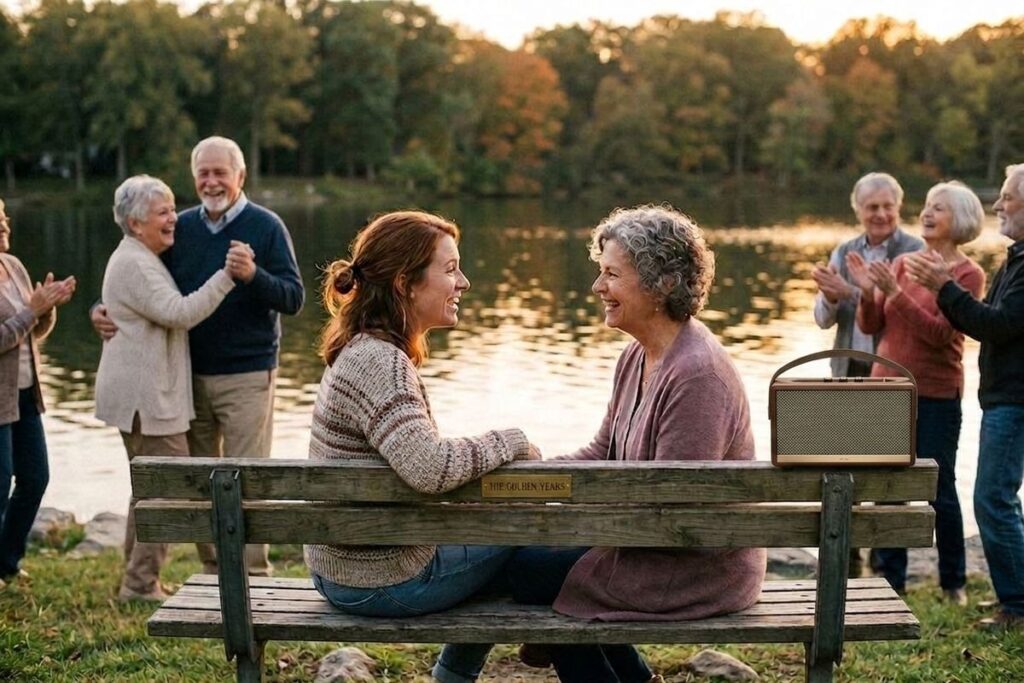
Families share special moments through familiar songs in these outdoor spaces. You can sit with your loved one and listen to the gentle waves alongside their favorite tunes. Taking time to enjoy nature and music together can create meaningful opportunities to connect with your loved one.
How Daily Tunes Benefit Memory Support Residents
Emotional Connection & Comfort
Music provides a sense of peace for your loved one. A beloved song can lift their spirits, while sensory tools help them express feelings without needing words. This connection holds value in a senior living community. A simple melody may help create a more positive experience during a challenging day.
When communication becomes difficult, a familiar melody can provide another way to connect. It allows you to share love and comfort without relying on conversation. You can simply sit together and listen to the music. These quiet moments of shared listening offer an opportunity for emotional connection.
Social Interaction & Movement
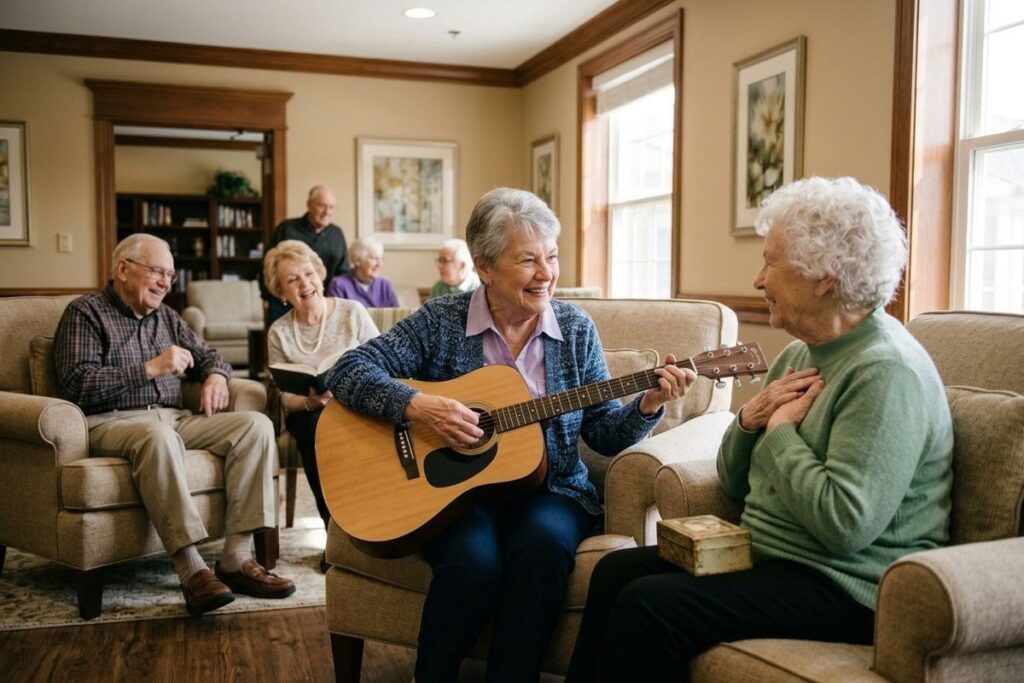
Group singalongs encourage friendly social interaction among neighbors. Gathering around a piano or record player brings people together naturally. Dancing and other light movements can help residents stay active and engaged. Smiling faces and clapping hands can add energy to the room.
Music programs give residents activities to participate in and something to look forward to. Participating in a rhythm circle or choir fosters a sense of belonging. These activities can support social connection at every stage of life. Staying involved in social activities promotes connection and engagement.
Personalized Support for Memory Care
Activities Built Around Individual Needs
Memory care looks different for each person. At Carrick Glen, activities and routines can provide opportunities for residents to stay engaged while receiving support for their individual needs.
Music can be one part of this approach. Familiar songs, group activities, and other forms of sensory engagement can give residents opportunities for self-expression, social connection, and meaningful interaction.
Familiar Routines & Personal Preferences
A structured daily routine can provide familiarity and consistency for people experiencing cognitive changes. Memory care is designed around personalized support, with specialized services for people living with dementia.
Learning about a resident’s interests and preferences can help care teams choose activities that feel familiar and meaningful. Music, social events, and other activities can become part of a routine that supports connection and engagement.
Next Steps for Your Family
Music can be a meaningful part of daily life for people living with memory changes. Familiar sounds, structured activities, and opportunities for social connection can help create a supportive routine.
At Carrick Glen Senior Living, our compassionate team provides personalized memory care in a welcoming community. Residents can stay connected, take part in daily activities, and receive support based on their individual needs. From music and social activities to structured routines and specialized memory care, we create opportunities for residents to feel engaged throughout the day.
Book a tour today to learn more about our community.