

Key Takeaways
- Falls affect 1 in 4 adults over 65 each year, often due to balance changes and home hazards.
- Assisted living communities feature grab bars, non-slip floors, and proper lighting to reduce fall risks.
- Professional staff provide 24-hour support, medication management, and emergency response.
- Fitness programs and physical therapy help improve strength and balance for safer movement.
How Assisted Living Creates a Safer Environment for Your Loved One
When you watch your loved one navigate daily activities, small moments can trigger big worries. You notice them gripping the stair railing tighter or moving more carefully around the house. These concerns are valid. At Carrick Glen Senior Living, we understand these worries and provide comprehensive solutions.
Assisted living communities help prevent falls through purposeful design, professional support, and structured programs that address the root causes of accidents. Rather than waiting for an incident to happen at home, these communities take proactive steps to create safer living spaces. You can find peace of mind knowing your loved one has access to professional assisted living care designed with safety in mind.
Why Falls Become More Common as We Age
Your loved one faces several age-related changes that can increase fall risk. Balance naturally declines over time, making it harder to recover from small stumbles or uneven surfaces. Vision changes make it difficult to spot obstacles or judge distances accurately.
Medication side effects often contribute to dizziness or drowsiness, especially when taking multiple prescriptions. Common blood pressure medications, sleep aids, and pain relievers can affect coordination and alertness.
Home environments that once felt familiar can become hazardous. Loose area rugs, poor lighting in hallways, and bathroom surfaces without grab bars create daily risks. Even simple tasks like getting out of bed or stepping into the shower become potential danger zones.
Safety Features Built Into Assisted Living Communities
Physical Environment Modifications
Assisted living communities design their spaces with fall prevention in mind. You’ll find grab bars strategically placed in bathrooms, along hallways, and near seating areas. These aren’t afterthoughts. They’re integrated into the design to provide stable support exactly where residents need it most.
Non-slip flooring extends throughout common areas and resident rooms. This specialized flooring provides better traction than typical home surfaces, reducing the risk of slipping on wet or smooth areas. Proper lighting illuminates all spaces, eliminating dark corners and shadowy areas that can hide obstacles or create confusion about depth and distance.
Emergency Response Systems
Every resident room includes easily accessible call buttons that connect directly to staff members. These systems work 24 hours a day, so help arrives quickly if your loved one needs assistance or experiences a fall.
Trained staff members remain available around the clock, providing immediate response to emergencies. Their quick medical response protocols mean that if an incident does occur, professional care begins right away rather than waiting for emergency services to arrive.
Professional Support That Makes a Difference
Medication management services help reduce dangerous side effects that contribute to falls. Staff members coordinate with healthcare providers to monitor how different medications interact and affect balance or alertness. This professional oversight can identify problematic combinations before they cause problems.
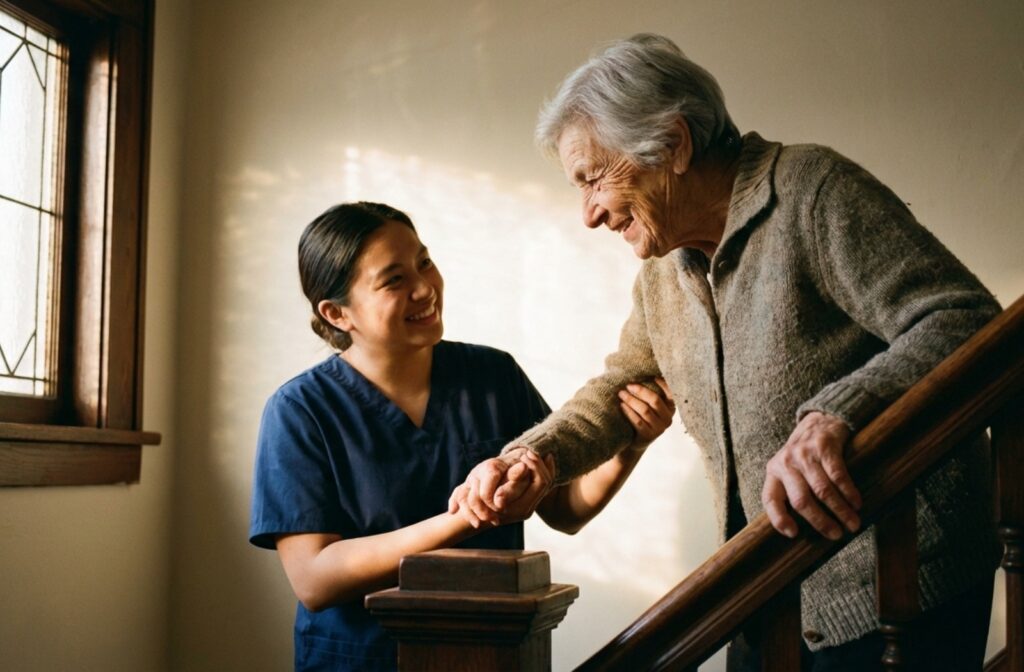
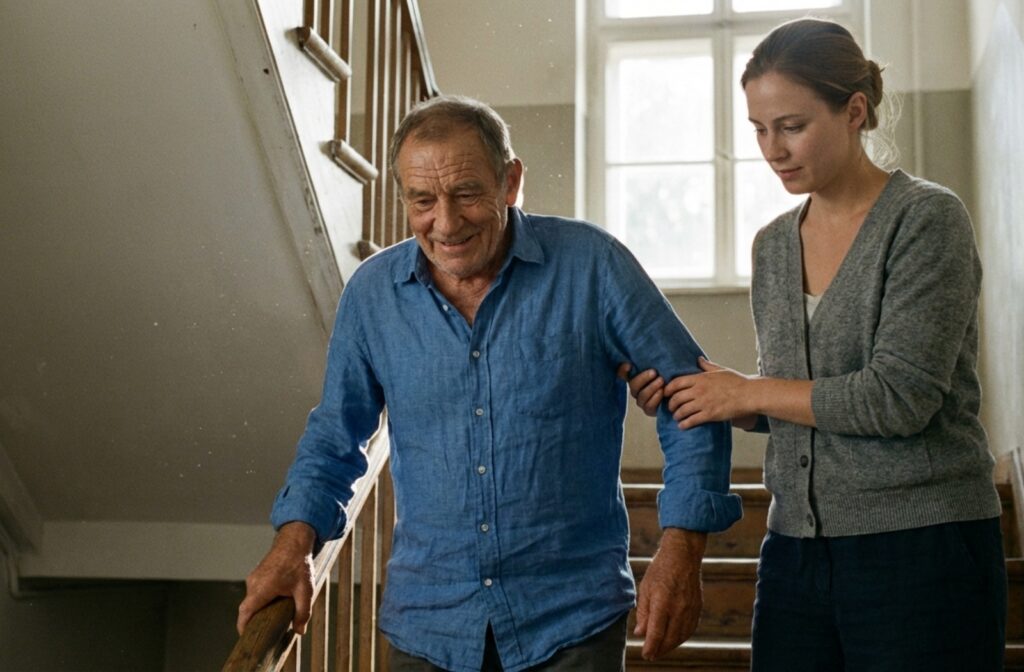
Personal care assistance helps with mobility challenges throughout the day. Whether your loved one needs support getting dressed, moving from bed to chair, or navigating to dining areas, trained caregivers provide steady guidance. This assistance reduces the risk of falls during vulnerable moments when balance is compromised.
Regular health monitoring by trained staff helps catch changes in mobility or cognitive function early. When staff members notice new difficulties with walking or increased confusion, they can adjust care plans and safety measures accordingly.
Programs That Improve Balance and Strength
Fitness classes and gentle exercise programs focus on maintaining muscle strength and flexibility. These programs adapt to different ability levels, so your loved one can participate safely while building the physical foundation needed for stable movement.
Physical therapy services address specific mobility concerns through targeted exercises and treatments. Therapists work with residents to improve gait, balance, and coordination using proven techniques that reduce fall risk over time.
Walking groups provide opportunities for safe movement in supportive environments. These supervised activities encourage regular exercise while providing that help is available if needed. Group participation also adds social benefits that motivate continued physical activity.
Find Peace of Mind at Carrick Glen Senior Living
You deserve to feel confident about your loved one’s safety without constantly worrying about potential accidents. Professional care teams at assisted living communities understand the complex factors that contribute to falls and work actively to address each risk.
At Carrick Glen Senior Living, we create environments where your loved one can move confidently through their daily routine. From thoughtful design features to professional support services, every detail focuses on preventing injuries while maintaining independence.
Contact us and book a tour to see how assisted living can provide the safety and peace of mind your family needs.