

Key Takeaways
- The FAST Scale measures dementia progression through seven stages of cognitive and functional decline.
- Early dementia stages often involve mild forgetfulness and difficulty with complex tasks or organization.
- Middle-stage dementia may require more support with routines, meals, medications, and personal care.
- Late-stage dementia often affects communication, mobility, and daily living abilities.
- Memory care communities provide structured support that adapts as dementia progresses.
What the FAST Scale for Dementia Can Tell You
When your loved one receives a dementia diagnosis, you’re suddenly faced with many questions about what lies ahead. The progression feels uncertain, and you want to know how to prepare for the changes that may come. Understanding where your loved one is in their dementia journey can make it easier to plan for the future and find the right level of support.
The FAST Scale, or Functional Assessment Staging Tool, helps healthcare professionals measure how dementia affects a person’s daily abilities over time. Rather than focusing only on memory loss, the FAST Scale tracks functional changes such as communication, personal care, mobility, and independence. It’s a valuable tool that gives you precise information on what your loved one is experiencing and what support they need to preserve their quality of life.
What Is the FAST Scale for Dementia?
The FAST Scale is one of the most commonly used tools for evaluating dementia progression. It breaks dementia into seven stages based on how cognitive decline affects a person’s ability to manage everyday tasks and routines. It can also help families recognize when additional support may improve safety, comfort, and quality of life for their loved one.
Understanding the 7 FAST Scale Stages
Dementia progression looks different for every person, but the FAST Scale provides a helpful framework for understanding common patterns of decline. Some stages involve only mild forgetfulness, while others require more comprehensive support with daily activities and communication.
Early Stages of Dementia (Stages 1–3)
The earliest FAST Scale stages often involve mild cognitive changes that may be easy to overlook at first. A loved one may occasionally forget names, misplace items, or struggle with planning and organization. During stage 3, these changes often become more noticeable to family members and close friends.
Many older adults in the early stages of dementia still live independently and maintain most of their daily routines. However, they may begin needing reminders, additional structure, or help managing more complex responsibilities like finances or medication schedules.
Middle Stages of Dementia (Stages 4–5)
Middle-stage dementia typically brings more noticeable difficulties with daily life. A loved one may struggle with managing meals, choosing appropriate clothing, remembering appointments, or navigating familiar routines. Confusion about time, dates, or locations may also become more common.
Families often begin providing more hands-on support during these stages. Safety concerns, wandering risks, and increased caregiver stress can also begin to appear, especially as daily supervision becomes more important.
Late Stages of Dementia (Stages 6–7)
During the later FAST Scale stages, dementia significantly affects communication, mobility, and personal care abilities. A loved one may need help with bathing, dressing, eating, and using the restroom. Verbal communication often becomes more limited as the condition progresses.
At this stage, consistent support and a calm, structured environment become especially important. Many families begin exploring full-time memory care support to help ensure their loved one’s comfort, safety, and dignity.
How Memory Care Supports Different Stages of Dementia
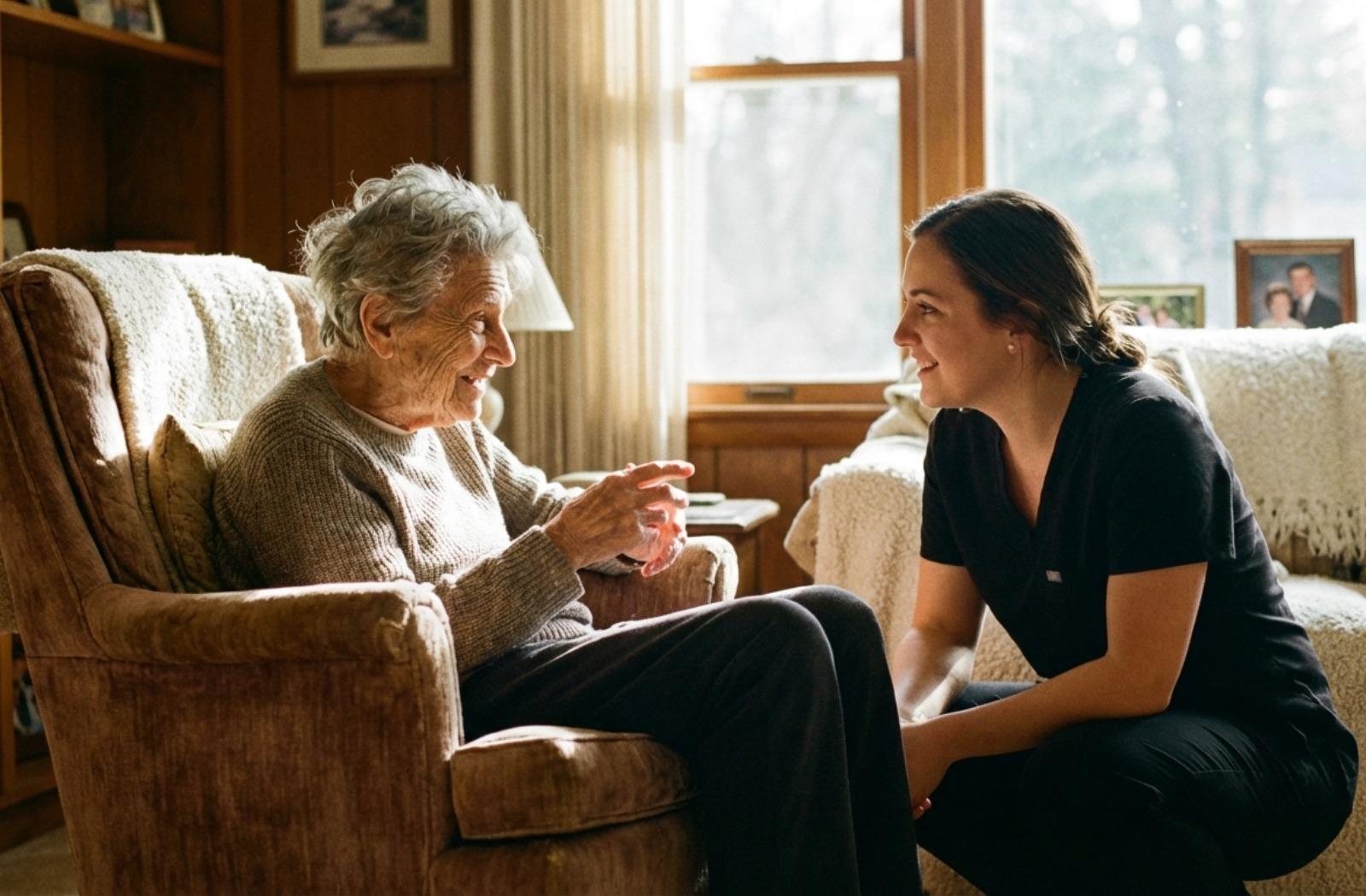
Memory care communities provide specialized support designed around the unique challenges of dementia progression. These communities don’t take a generic approach—they adapt and adjust as your loved one’s needs change to continue giving them the precise care each person needs.
Early-Stage Support
During the early stages of dementia, memory care programs often focus on maintaining independence while providing additional structure and reassurance. Residents may benefit from medication reminders, wellness programs, social engagement, and cognitive activities that help support routine and familiarity. Early-stage support can also reduce isolation and help older adults remain engaged in daily life while receiving light assistance as needed.
Middle-Stage Support
As dementia progresses, memory care communities typically provide more hands-on assistance with daily activities and routines. Structured schedules, secured environments, and dementia-trained caregivers help create consistency and reduce confusion throughout the day.
Communities may also offer personalized activities designed around each resident’s cognitive abilities, helping encourage engagement without creating unnecessary frustration or stress.
Late-Stage Support
Late-stage dementia support focuses heavily on comfort, safety, and quality of life. Residents often require assistance with mobility, personal care, meals, and communication throughout the day.
Memory care teams work to provide calm, familiar environments that help reduce distress while supporting each resident with compassion and dignity. Personalized care plans also help ensure support remains tailored to the individual’s changing needs.
Plan Ahead for Your Loved One’s Future
Dementia progression can feel unpredictable, but tools like the FAST Scale help families better understand how care needs may change over time. Recognizing these stages early can make it easier to prepare for future decisions and ensure your loved one receives the right support at the right time.
At Carrick Glen Senior Living, we understand how important compassionate, personalized memory care can be for both residents and their families. Our team provides structured support tailored to each resident’s needs in a warm and welcoming environment. Book a tour with us today to learn more about memory care!